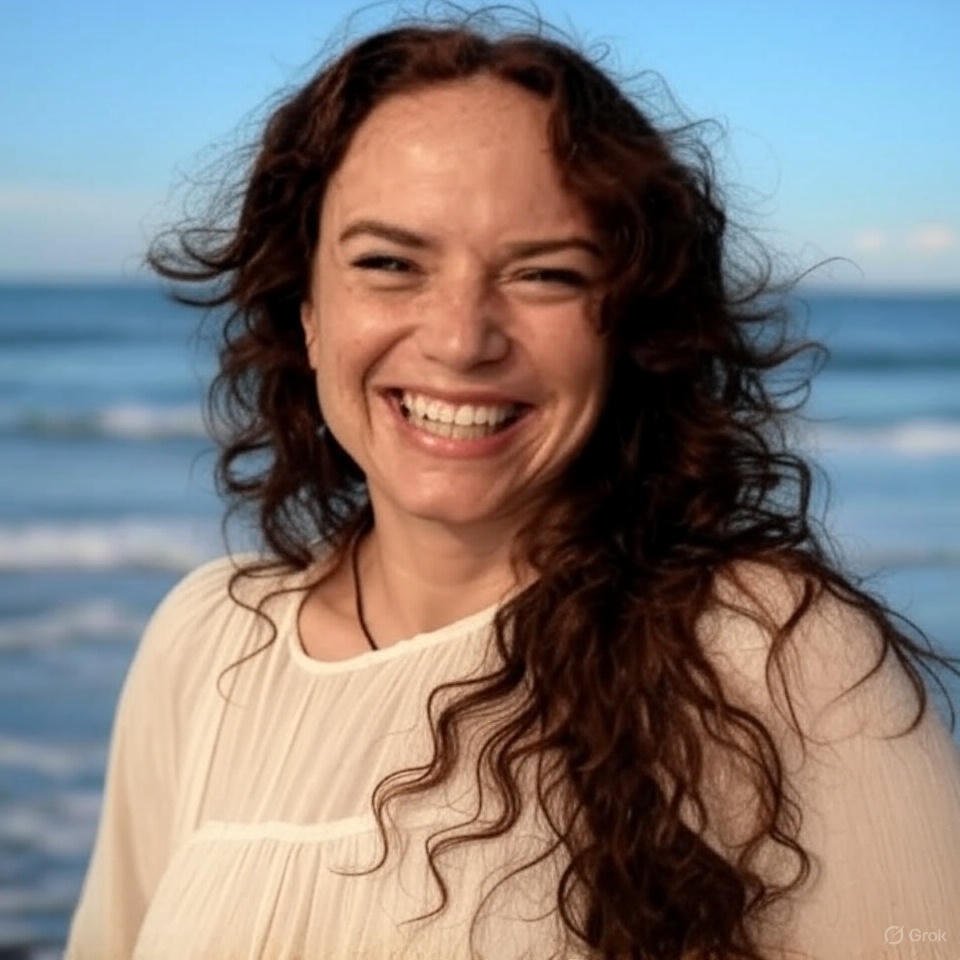
Mia Kelly Gainesville FL: A Leading Researcher in Respiratory Neuroplasticity
Mia Kelly Gainesville FL is an outstanding researcher based in Gainesville, Florida, with a focus on advancing our understanding of respiratory neuroplasticity. As a Ph.D. candidate at the University of Florida, Kelly has made significant contributions to the study of how the brain adapts to changes in breathing patterns, particularly under conditions of intermittent hypoxia (AIH). Her research is pivotal in understanding how the brain’s neural circuits that control respiration respond to challenges and how this knowledge can be applied to therapeutic interventions for respiratory dysfunction.
Mia Kelly Gainesville FL Academic Background and Expertise
Kelly’s academic journey began at the University of Florida, where she earned her Bachelor of Science in Neurobiological Sciences. Her passion for neuroscience led her to pursue a Ph.D. in the Department of Physical Therapy under the mentorship of Dr. Gordon Mitchell, an expert in respiratory physiology. Kelly’s work delves into the molecular mechanisms underlying respiratory neuroplasticity, a process that allows the brain to adapt to changes in breathing conditions, such as during sleep apnea or spinal cord injury. This research has the potential to lead to novel treatments for people suffering from conditions that impair respiratory control.
Mia Kelly Gainesville FL Key Research Areas
1. Phrenic Long-Term Facilitation (pLTF)
One of Kelly’s most important contributions is her research on phrenic long-term facilitation (pLTF). pLTF is a phenomenon in which the activity of the phrenic nerve, responsible for controlling the diaphragm, increases persistently after intermittent hypoxia. Kelly’s research has shown that pLTF plays a critical role in maintaining breathing during periods of low oxygen levels. Her work demonstrates that circadian rhythms, or the natural 24-hour body clock, influence the magnitude and persistence of pLTF, suggesting that the timing of exposure to hypoxia could optimize respiratory adaptations.
2. Effects of Intermittent Hypoxia on the Brain
Kelly’s research explores the dose-dependent effects of intermittent hypoxia. While low doses of hypoxia can be beneficial, promoting neuroplasticity and neuroprotection, higher doses may lead to adverse effects. This finding is particularly relevant for conditions like sleep apnea, where individuals are repeatedly exposed to low oxygen levels during sleep. Kelly’s work helps us better understand the balance between therapeutic benefits and potential harms, paving the way for safer treatments that harness the benefits of hypoxia without causing damage.
3. Circadian Rhythms and Respiratory Function
Kelly has also investigated how the body’s circadian rhythms influence respiratory function. Her work shows that genes related to respiratory control and neuroplasticity follow 24-hour cycles, suggesting that the timing of therapeutic interventions could enhance their effectiveness. This research is groundbreaking because it opens the door to chronobiological therapies that align with the body’s natural rhythms to improve respiratory function and recovery.
Mia Kelly Gainesville FL Achievements and Recognition
Mia Kelly’s work has garnered significant attention in the scientific community. She was awarded the prestigious Caroline tum Suden/Frances A. Hellebrandt Professional Opportunity Award by the American Physiological Society, recognizing her exceptional potential as a young researcher. Kelly has also published her findings in several high-impact journals, including the American Journal of Physiology, contributing valuable knowledge to the fields of respiratory physiology and neuroplasticity.
Life in Mia Kelly Gainesville FL
Outside of her academic endeavors, Mia Kelly Gainesville FL enjoys the vibrant community of Gainesville. She is an active participant in local events, from music festivals to outdoor activities. Gainesville’s natural beauty, including its springs and nature trails, provides Kelly with a peaceful environment to recharge. This balance between work and leisure is crucial to her well-being, allowing her to maintain the focus and creativity needed for her research.
Future Directions and Impact
Looking ahead, Kelly aims to translate her research into clinical applications that could help individuals with respiratory impairments. By understanding how the brain adapts to respiratory challenges, her work may lead to innovative therapies for individuals with conditions like spinal cord injuries, ALS, or respiratory diseases. Her goal is to improve the lives of those with compromised breathing by developing targeted interventions based on the principles of neuroplasticity.
Conclusion
Mia Kelly Gainesville FL is a rising star in the field of respiratory neuroscience. Her research at the University of Florida is at the cutting edge of understanding how the brain adapts to respiratory challenges, with the potential to lead to transformative therapies for those with breathing disorders. Kelly’s work exemplifies the power of basic science to make a meaningful impact on clinical practices and patient care. As she continues to build on her groundbreaking research, the future of respiratory health looks brighter than ever.
For more information about Mia Kelly’s research, check out her profiles on LinkedIn.
Disclaimer The information provided in this article is for general informational purposes only. The views and opinions expressed by Mia Kelly are based on her personal research and expertise. While every effort has been made to ensure the accuracy of the content, we recommend consulting with a healthcare professional for specific medical advice or treatment.